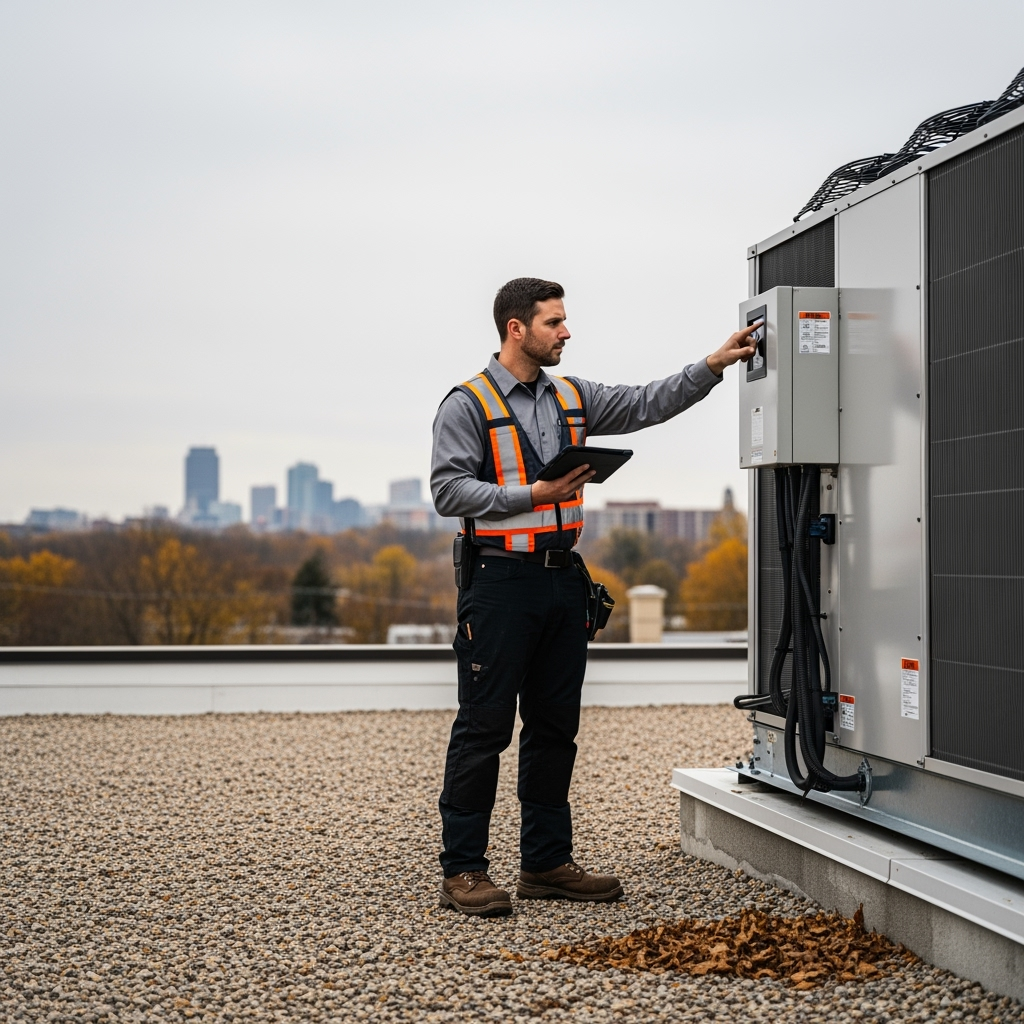
The demand for efficient building HVAC in Wisconsin has surged recently, particularly as businesses and homeowners alike seek solutions to rising energy costs and environmental concerns. With harsh winters and warm summers, effective HVAC systems are not just a luxury but a necessity for maintaining comfort in both residential and commercial spaces. This article will explore the current HVAC landscape, highlight local trends and services, and provide insights into why investing in proper HVAC solutions is crucial for Wisconsin residents.
The Current HVAC Trends in Wisconsin
As Wisconsin wrestles with fluctuating temperatures, business owners and homeowners need to stay ahead of HVAC trends that can enhance comfort and efficiency. Here are some emerging trends:
- Smart HVAC Systems: Home automation is on the rise, with smart thermostats and HVAC systems that can be controlled remotely, decreasing energy usage and costs.
- Energy Efficiency: More property owners are opting for energy-efficient models, which not only reduce operating costs but also qualify for tax rebates and incentives. The U.S. Department of Energy provides various resources for understanding these benefits.
- Indoor Air Quality (IAQ): With health concerns at the forefront, IAQ has gained recognition. HVAC systems with advanced filtration and ventilation can significantly reduce pollutants and allergens.
- Green HVAC Solutions: Renewable energy sources, like solar-assisted HVAC systems, are becoming increasingly popular as sustainability takes center stage.
Why HVAC is Essential in Wisconsin
The need for a robust HVAC system is critical in Wisconsin due to the state’s unique climate:
Extreme Weather Conditions
Wisconsin experiences cold winters and warm summers. During the cold months, heating systems must work efficiently to keep homes and offices warm. Conversely, air conditioning units play a pivotal role during the hotter months. A reliable HVAC system can:
- Maintain temperature consistency year-round.
- Improve energy efficiency, reducing overall costs.
- Enhance comfort by removing humidity and controlling air quality.
Local HVAC Regulations and Standards
Understanding local regulations is crucial for HVAC installation and maintenance. Wisconsin has specific energy codes designed to promote energy efficiency, such as:
- The Wisconsin Uniform Plumbing Code: This code governs the installation of HVAC systems, ensuring safety and efficiency.
- The Energy Conservation Code: Mandates energy-saving measures for new constructions and renovations, promoting environmentally friendly practices.
Familiarizing yourself with these codes can prevent costly mistakes and ensure compliance.
Key Services Offered by Local HVAC Professionals
Local HVAC service providers offer a range of services tailored to meet Wisconsin’s specific needs.
Installation and Replacement Services
Whether you’re building a new structure or upgrading an existing system, HVAC professionals can help with:
- Choosing the right system based on size, energy efficiency, and budget.
- Proper installation to comply with safety standards.
- Upgrading outdated systems to improve energy efficiency.
Maintenance and Repair Services
Regular maintenance is vital for the longevity and efficiency of your HVAC system. Professional services include:
- Routine inspections to identify potential issues before they become serious.
- Cleaning and replacing filters to ensure optimal air quality.
- Tuning systems for maximum efficiency and performance.
Emergency Services
HVAC emergencies can happen at any time, particularly during extreme weather conditions. Local contractors often provide:
- 24/7 emergency service for critical situations.
- Quick response times to limit downtime and discomfort.
- Expert diagnostics to accurately identify and resolve issues.
The Importance of Choosing the Right HVAC Contractor
Selecting an experienced HVAC contractor can make a significant difference in the performance and efficiency of your system. Here’s what to look for:
Credentials and Experience
- Verify licenses and certifications.
- Check for industry experience, particularly with local climate conditions.
- Read reviews and testimonials to gauge customer satisfaction.
Comprehensive Services
Your contractor should offer a broad range of services from installation to maintenance, ensuring they can support all your HVAC needs.
Energy-Efficient Solutions
Look for a contractor who emphasizes energy efficiency and can guide you in selecting systems that reduce your carbon footprint while saving money.
DIY Tips for HVAC Maintenance
While it’s often best to leave HVAC work to professionals, homeowners can perform simple maintenance tasks that will prolong the life of their systems:
Regular Filter Changes
- Change or clean filters every 1-3 months, depending on usage.
- Use high-efficiency filters for better air quality.
Smart Thermostat Management
- Utilize programmable thermostats to optimize heating and cooling schedules.
- Set systems to adjust temperatures when no one is home, saving energy.
Keep Outdoor Units Clear
- Ensure air conditioning units are free of debris like leaves and branches.
- Maintain a clear space around outdoor units for better airflow.
Local Insights into HVAC Technologies
Emerging technologies are reshaping the HVAC landscape. Below are a few worth noting:
- Geothermal Heating: Utilizing the earth’s constant temperature, geothermal systems are highly efficient but require significant initial investment.
- Ductless Mini-Split Systems: Ideal for homes without ductwork, these systems provide targeted heating and cooling.
- Variable Refrigerant Flow (VRF) Systems: Offering high efficiency, VRF systems can simultaneously control multiple zones, providing tailored comfort.
Understanding Cost Factors for HVAC Systems
Several factors can influence the cost of HVAC installation and maintenance:
System Type
- Different systems, such as central air, ductless, and geothermal, have varying price points.
- Consider both the initial cost and the long-term energy savings.
Size of Your Space
- Larger homes typically require more extensive systems, impacting overall costs.
- Proper sizing is crucial; an oversized unit can lead to inefficiency.
Installation Complexity
- Older homes may require extensive modifications to accommodate new systems.
- Additional features, like zoning systems, can also increase costs.
Local Challenges and Solutions for HVAC in Wisconsin
Despite the advancements in HVAC technology, Wisconsin faces unique challenges:
Harsh Winters
The extreme cold can put stress on heating systems. Regular maintenance and choosing high-efficiency models can mitigate these issues.
Seasonal Demand Fluctuations
HVAC professionals often face busy seasons in summer and winter. Scheduling maintenance checks in the off-season can result in better service availability.
Energy Costs
With energy costs constantly changing, focusing on energy-efficient systems and regular maintenance can help homeowners and businesses manage expenses more effectively.
Conclusion
Investing in a reliable HVAC system is essential for maintaining comfort and efficiency in Wisconsin’s unique climate. By understanding current trends, local regulations, and the importance of professional services, property owners can make informed decisions. If you are considering upgrading or installing a new HVAC system, reach out to local experts for tailored advice and solutions that meet your needs. Contact Nextech today for a consultation and to learn how they can assist with your HVAC needs in Wisconsin.