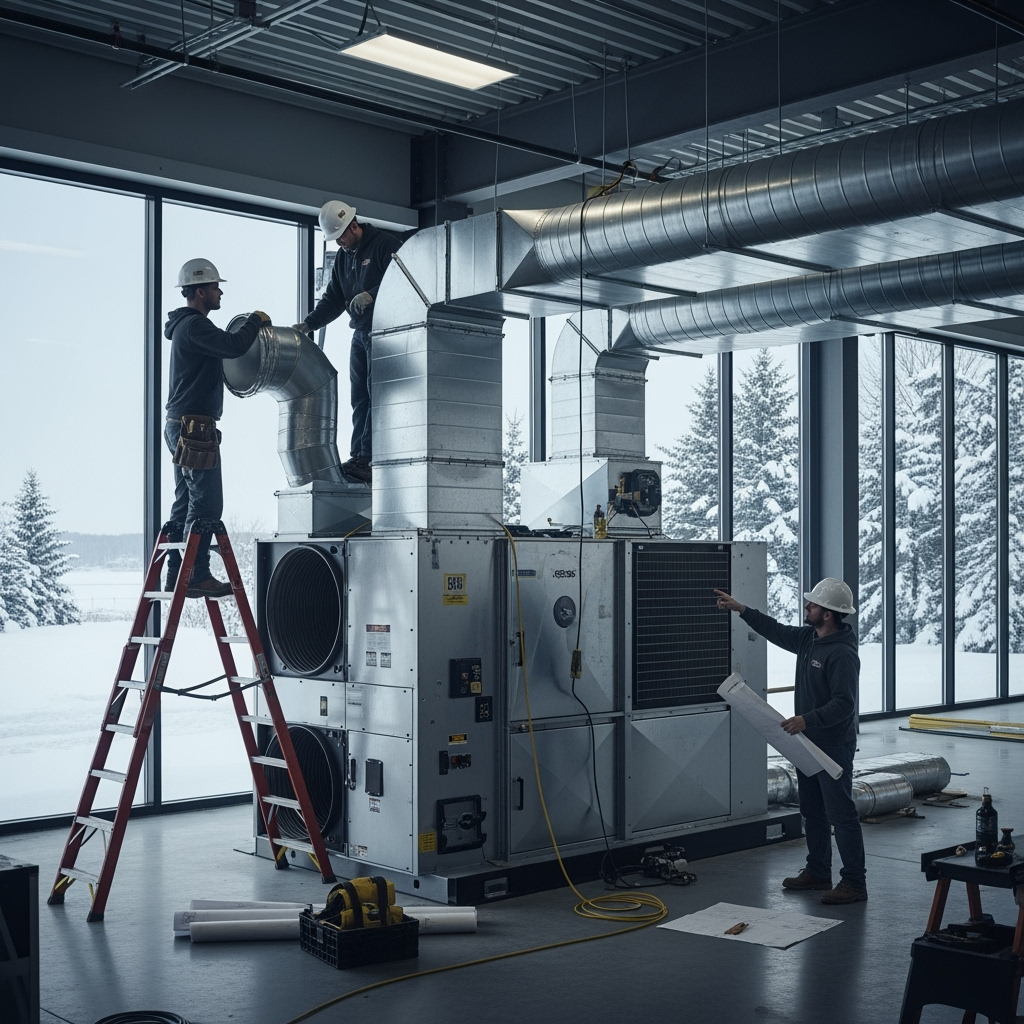
Wisconsin’s weather can be unpredictable, with harsh winters and humid summers. This makes effective HVAC systems not just a luxury but a necessity for homes and businesses alike. Understanding the intricacies of building HVAC in Wisconsin is crucial for maintaining comfort and energy efficiency throughout the year.
The Importance of HVAC Systems in Wisconsin
Reliable heating, ventilation, and air conditioning (HVAC) systems are vital in Wisconsin, where extreme temperatures can pose challenges to both residential and commercial spaces. With an average annual snowfall of 49.5 inches and summer highs reaching into the 80s, the state presents unique demands on HVAC systems. According to the Energy Information Administration (EIA), heating accounts for approximately 42% of home energy expenditures in the northern Midwest, underscoring the importance of efficient HVAC systems to mitigate costs.
Seasonal Challenges and Solutions
Throughout the seasons, Wisconsin experiences various environmental challenges. Here’s how HVAC systems can address these:
- Winter: Homes require adequate heating solutions, such as furnaces or heat pumps, to combat sub-zero temperatures.
- Spring: As temperatures rise, consider implementing an AC system or ductless units to maintain indoor comfort.
- Summer: High humidity levels necessitate effective dehumidification systems to prevent mold and ensure air quality.
- Fall: Regular maintenance is crucial as systems prepare for winter operations, ensuring they perform optimally when temperatures drop.
Building HVAC Systems: Key Components
Understanding the core components of HVAC systems can help homeowners and businesses make more informed decisions. Below are some essential elements:
1. Heating Systems
Heating systems can be categorized into several types:
- Furnaces: Utilize natural gas, electricity, or oil to provide heating.
- Heat Pumps: Efficiently transfer heat from outside to inside, even in cold weather.
- Radiant Heating: Provides warmth directly through floors or walls, ideal for energy-efficient homes.
2. Ventilation Systems
Effective ventilation is crucial for maintaining air quality. Consider these options:
- Natural Ventilation: Relies on outdoor air flow through windows and vents, useful in milder months.
- Mechanical Ventilation: Uses fans and duct systems to regulate airflow, ensuring consistent indoor air quality.
3. Air Conditioning Systems
During the hot months, air conditioning becomes essential. The two main types include:
- Central AC Systems: Highly effective in larger homes and commercial spaces.
- Ductless Mini-Split Systems: Provide flexibility and efficiency, especially in homes without existing ductwork.
Trends in HVAC Technology and Installation in Wisconsin
As technology evolves, there are exciting trends in HVAC systems that cater to Wisconsin’s unique climate:
Smart HVAC Systems
Smart thermostats and HVAC systems allow for remote control and energy management, which can lead to significant savings. Homeowners can monitor and adjust their systems via smartphone apps, enhancing efficiency and comfort.
Energy-Efficient Solutions and Green Technology
With an increasing emphasis on sustainability, many Wisconsin homeowners are opting for energy-efficient HVAC systems. Look for:
- Systems with high SEER ratings for AC units.
- Energy Star-certified appliances that meet stringent energy efficiency guidelines.
- Geothermal heating options, which can drastically reduce energy bills.
Regulatory Compliance and Incentives
Adhering to local regulations and building codes is essential when installing HVAC systems. Wisconsin has implemented various energy efficiency programs to encourage residents to upgrade their systems. Homeowners can visit the U.S. Department of Energy for information on available incentives.
Choosing the Right HVAC Contractor
Finding a qualified contractor is crucial for effective HVAC installation and maintenance. Here are steps to help in selecting the right professional:
1. Check Credentials
Ensure the contractor is licensed and insured. This protects both parties in case of accidents or errors.
2. Read Reviews and Testimonials
Research the contractor’s reputation by reading online reviews and testimonials from past clients.
3. Request Estimates
Obtain at least three estimates to compare pricing and services offered. Ensure that each estimate itemizes costs.
4. Evaluate Experience
Choose a contractor with a proven track record in handling HVAC systems specific to Wisconsin’s climate.
Maintenance Tips for Optimal HVAC Performance
Regular maintenance ensures that your HVAC system operates efficiently. Follow these tips to extend the life of your system:
- Change air filters every 1-3 months to maintain airflow and indoor air quality.
- Schedule professional maintenance at least once a year, preferably before the heating or cooling season.
- Keep vents and registers clean and unobstructed to allow for adequate airflow.
- Consider a programmable thermostat to optimize heating and cooling schedules based on your routine.
Current Trends Affecting HVAC in Wisconsin
Several trends currently shape the HVAC landscape in Wisconsin:
- Increased Demand for Indoor Air Quality Improvements: The COVID-19 pandemic has heightened awareness of air quality, leading to a surge in interest in HEPA filters and UV light installation.
- Electric Vehicle Charging Stations: As electric vehicles become more popular, the integration of charging stations into residential properties is increasing, highlighting the need for adequate electrical infrastructure within HVAC systems.
- Smart Building Technologies: As commercial buildings evolve, there’s a growing trend towards building management systems that integrate HVAC with other utilities for better efficiency and control.
Local Attractions and Seasonal Events in Wisconsin
Beyond HVAC considerations, Wisconsin offers a rich cultural tapestry. Local events and attractions can enhance community engagement:
- Summer Festivals: Events such as the Wisconsin State Fair and various county fairs showcase local culture, craft, and cuisine.
- Winter Sports: With numerous ski resorts and snowmobiling trails, the state attracts winter sports enthusiasts from all over.
- Local Farmers’ Markets: These provide fresh produce and promote local agriculture, occurring seasonally in cities like Madison and Milwaukee.
Conclusion
Building and maintaining effective HVAC systems in Wisconsin is critical for comfort and energy efficiency, especially given the state’s distinct climate. By understanding the various components of HVAC systems, staying informed on trends, and continuously maintaining your equipment, you can ensure a comfortable living or working environment year-round.
If you need assistance with your HVAC needs, consider reaching out for expert advice tailored to the unique conditions of Wisconsin. Contact Nextech to learn more about our HVAC solutions in Sun Prairie, and ensure your system is ready for whatever weather comes your way.